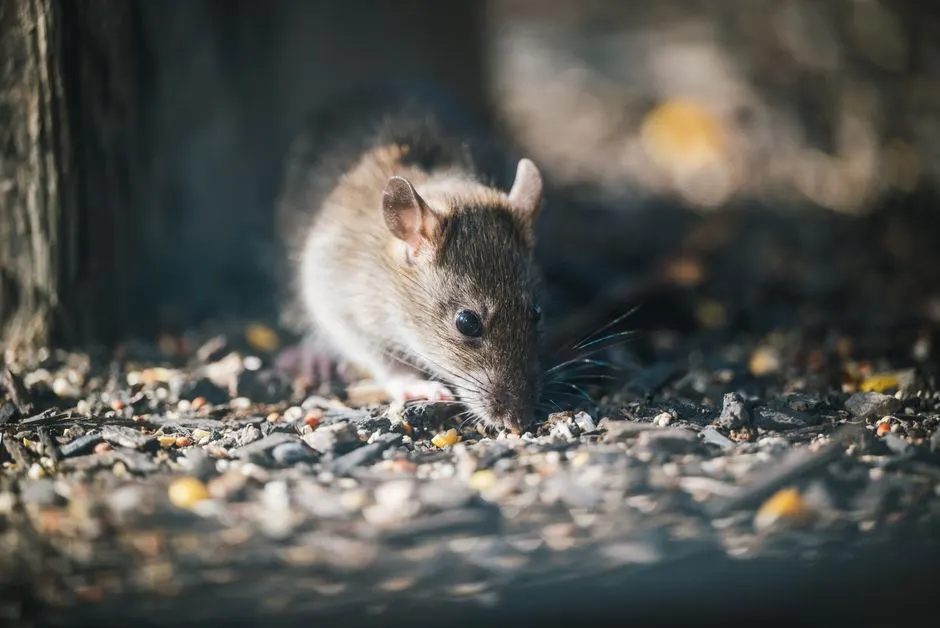
Your local Grand Canyon Rodent Control team

Rodent Control in Grand Canyon, Arizona

Rodent Control in Grand Canyon means dealing with pack rats, deer mice and roof rats that move into attics, garages and crawl spaces the moment the temperature drops. We inspect the building, trap what is inside, seal every entry point we find, and clean up the mess left behind. Our technicians work Grand Canyon and the surrounding Arizona communities every week.

24/7Emergency response
60 minInspection time
2 yrWarranty on exclusion

Licensed · Upfront options · Clean work areas · Written guarantees

Rodent Control in Grand Canyon Done Right

Rodent Control in Grand Canyon is not the same job as rodent control in Phoenix or Tucson. Homes here sit at 6,800 feet or higher, where winter nights drop below freezing and pack rats build middens against foundations, under decks and inside garages. We have worked this stretch of northern Arizona long enough to know which neighborhoods get hit first when the season turns. Our technicians carry snap traps, glue boards and live catch traps on every truck, plus exclusion mesh, copper mesh and steel wool for sealing. We are licensed through the Arizona Structural Pest Control Commission and every applicator on staff holds EPA certification. When you call, we inspect the whole structure, not just the room where you heard scratching. That means the attic, the crawl space, the roofline and the utility penetrations. Then we build a plan that fits the building, not a generic checklist.

Explore Grand Canyon services →

Grand Canyon sits in Coconino County, surrounded by national forest and open canyon country. That means wildlife pressure is constant. Pack rats, deer mice and roof rats do not run out of habitat here, so they keep pushing into houses, lodges, garages and outbuildings. Winter drives them indoors hard. Summer brings a second wave when monsoon moisture pushes them toward shelter. We serve this area because the demand never really stops, and because a lot of homeowners here have been told the problem is just part of living in the canyon. It is not. We seal buildings so rodents stay out.

AridShield Rodent Control
Services available in Grand Canyon

Rodent Control Services Available in Grand Canyon

Grand Canyon buildings take a beating from wildlife year-round, and the calls we get here reflect that. Attic infestations, pack rat middens under decks, mice in kitchen cabinets, roof rats in lodge ceilings. If you are searching for rodent removal near me in Grand Canyon, this is the full list of what we run out of our northern Arizona trucks. Every service starts with a full inspection, and every job ends with a written summary of what we found and what we sealed.

01
␁

Rodent Removal

We remove rats, mice and pack rats from Grand Canyon homes, lodges and outbuildings. Most jobs start with a full attic and crawl space inspection, then we set snap traps, glue boards and live catch traps in the runways we find. Removal usually takes one to three visits, depending on how long the rodents have been inside.

See details ↓
02
↯

Rodent Exclusion

Exclusion is how we keep rodents out of Grand Canyon buildings for good. We seal gaps with copper mesh, steel wool, hardware cloth and exclusion sealant, then close utility penetrations and roofline gaps. On canyon-country homes, the most common entry points are foundation vents, dryer vents and gaps where the roof meets the wall.

See details ↓
03
≈

Rodent Inspection

Every Grand Canyon job starts with a full inspection. We use a flashlight, inspection mirror and borescope camera to check attics, crawl spaces, wall voids and utility chases. A thermal imaging camera helps us find warm spots where rodents are nesting. You get a written report of entry points, droppings and damage before we quote any work.

See details ↓
04
◒

Rodent Proofing & Prevention

Prevention work in Grand Canyon means sealing the building before the next cold snap. We install exclusion mesh over vents, pack copper mesh into gaps, and seal cracks with foam sealant and caulking. We also set rodent bait stations around the exterior where allowed. Most homes get a two-year warranty on the exclusion work we install.

See details ↓
05
◎

Rat Control

Norway rats and roof rats both show up in Grand Canyon. Norway rats dig and burrow around foundations and crawl spaces. Roof rats climb and nest in attics and wall voids. We identify which species you have, then build a trapping and exclusion plan around its behavior. Rat jobs here usually take two to four visits to clear.

See details ↓
06
+

Roof Rat Removal

Roof rats are the number one attic problem in Grand Canyon. They run power lines and tree limbs to reach rooflines, then squeeze through gaps the size of a quarter. We trap them inside, then seal the roof-to-wall junctions, vent stacks and fascia gaps they used to get in. Ignoring roof rats means chewed wires and stained ceilings.

See details ↓
07
␁

Pack Rat Removal

Pack rats build middens out of twigs, rocks, cactus parts and anything shiny they can drag in. In Grand Canyon, those middens show up under decks, against foundations and inside garages. We remove the rat, tear out the midden, and treat the area with disinfectant. Leaving a midden in place invites the next pack rat to move right in.

See details ↓
08
↯

Mouse Control

Deer mice and house mice get into Grand Canyon homes through gaps you would never notice. We trap them with snap traps and glue boards placed along walls and inside cabinets, then seal the entry points they used. Mouse jobs often finish in one or two visits, but the exclusion work is what keeps them from coming back next season.

See details ↓
09
≈

Rodent Trapping

Trapping is the core of what we do in Grand Canyon. We use Victor snap traps, Catchmaster glue boards and Havahart live catch traps, placed along runways and near nesting sites. We check traps on a set schedule and remove carcasses the same day. No bait blocks inside living spaces, no guesswork, no traps left behind.

See details ↓
10
◒

Attic Rodent Cleanup & Decontamination

After the rodents are gone, the attic still has droppings, urine and damaged insulation. We remove contaminated insulation, bag droppings, and treat surfaces with disinfectant and enzyme cleaner. In Grand Canyon attics, we also check for chewed electrical wires and gnawed roof decking. Cleanup usually takes one full day on a standard home.

See details ↓
Who we serve in Grand Canyon

Two very different jobs. One local crew.

For homes

Residential Rodent Control in Grand Canyon

Most of our Grand Canyon work is residential. Homes here are mostly wood-frame with pitched roofs, crawl spaces and attached garages. That construction gives rodents plenty of entry points and nesting sites. Families call us when they hear scratching in the attic, find droppings in the kitchen, or smell urine in the crawl space. We handle the whole job: inspection, trapping, exclusion, and cleanup. If you have kids or pets, tell us when you book. We use snap traps and glue boards inside living spaces, and we keep rodenticide bait blocks out of areas where children and pets can reach them. Every job ends with a walkthrough so you can see what we did and ask questions.

01Attic inspection and trapping

We inspect the attic with a flashlight, inspection mirror and borescope camera, then set snap traps and glue boards along the runways we find. Grand Canyon attics often have roof rat and mouse activity at the same time, so we trap for both.

02Entry point sealing and exclusion

We seal foundation gaps, roofline junctions, utility penetrations and vents with copper mesh, steel wool, hardware cloth and exclusion sealant. On Grand Canyon homes, the most common entry points are at the roof-to-wall junction and around dryer vents.

03Crawl space and garage rodent control

Crawl spaces and garages are common nesting sites in Grand Canyon. We inspect them, set traps, remove middens, and seal the gaps rodents use to get in. We also check for chewed wiring and flag anything that needs an electrician.

04Attic cleanup and decontamination

After the rodents are gone, we remove contaminated insulation, bag droppings, and treat surfaces with disinfectant and enzyme cleaner. Grand Canyon attics often need this step because droppings and urine build up over multiple seasons.

  • Same-day and next-day scheduling for active infestations in Grand Canyon homes.
  • Written inspection report showing every entry point we found and sealed.
  • Two-year warranty on exclusion work so rodents stay out after we leave.
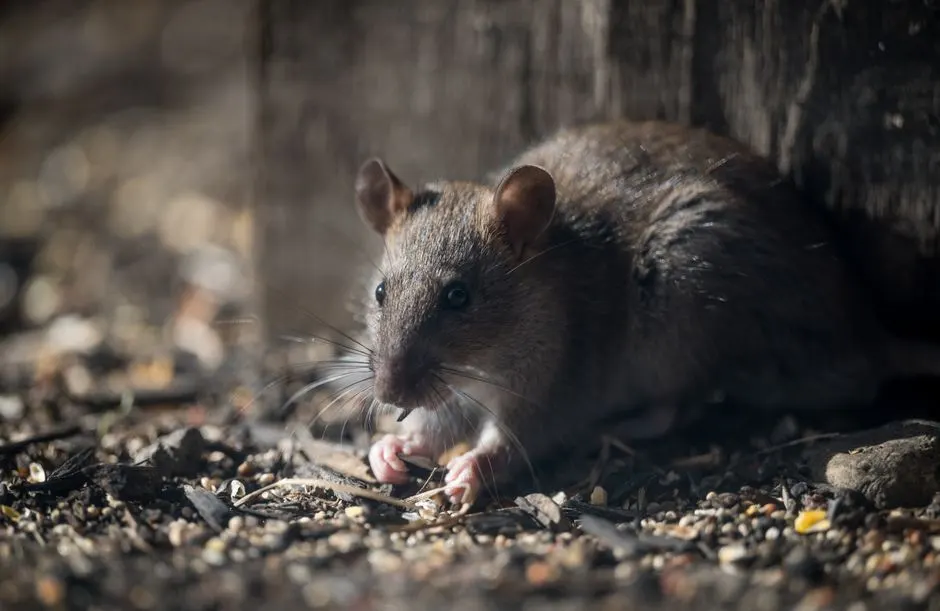
Get a home estimate →
For businesses

Commercial Rodent Control in Grand Canyon

Grand Canyon businesses cannot afford a rodent problem. Hotels, restaurants, lodges and retail spaces here serve visitors from around the world, and a single health inspection violation can shut a kitchen down. We work with property managers, restaurant owners and hotel operators across the Grand Canyon area. If you need commercial rodent control in Grand Canyon with discreet scheduling and documentation you can hand to a health inspector, call us. We work early mornings, late nights and off-hours so we are not in your guests' way.

  • Hotels and lodges
  • Restaurants and cafes
  • Retail and gift shops
  • Property management
  • Warehouses and storage
01Discreet off-hours scheduling

We schedule commercial work before opening, after closing or overnight so your guests and customers never see a trap or a technician. Grand Canyon hotels and restaurants run on tight schedules, and we work around them.

02Documentation for health inspections

Every commercial job includes a written service report with trap locations, entry points sealed and materials used. You get the paperwork you need for health inspections and internal audits, and we keep copies on file.

03Rodent bait stations and monitoring

For commercial exteriors, we install tamper-resistant rodent bait stations where allowed and monitor them on a set schedule. Stations are numbered, mapped and checked every visit so you can see activity trends over time.

04Integrated exclusion for commercial buildings

We seal loading dock gaps, utility penetrations, roof junctions and vent openings with copper mesh, hardware cloth and exclusion sealant. Sealing the building is the only way to stop rodents from coming back after trapping.

Discuss a commercial contract →
Service by service in Grand Canyon

Every service we run in Grand Canyon.

Each service below is a full breakdown of how the work is scoped, priced and carried out in this city — not a generic description.

  1. 01Rodent Removal↗
  2. 02Rodent Exclusion↗
  3. 03Rodent Inspection↗
  4. 04Rodent Proofing & Prevention↗
  5. 05Rat Control↗
  6. 06Roof Rat Removal↗
  7. 07Pack Rat Removal↗
  8. 08Mouse Control↗
  9. 09Rodent Trapping↗
  10. 10Attic Rodent Cleanup & Decontamination↗
01
Rodent Removal in Grand Canyon

Rodent Removal in Grand Canyon

Rodent Removal in Grand Canyon requires a strategy built for high-desert terrain and seasonal visitor traffic. From Tusayan cabins to Valle homesteads, pack rats, deer mice, and roof rats invade garages, crawlspaces, and attics when temperatures drop. AridShield removes active rodents, seals entry routes, and sanitizes contaminated zones so residents and park-adjacent businesses stay protected year-round.

a

Desert Rodent Species We Remove

Grand Canyon sits in prime habitat for white-throated woodrats, deer mice, and non-native roof rats. Each species leaves distinct droppings, rub marks, and nesting debris. We identify the species before removal so treatments target the right behavior, whether rodents are nesting in a Tusayan shed or a Valle garage.

b

Seasonal Removal Timing Matters

Monsoon rains and first freezes push rodents indoors across the Grand Canyon area. Late-fall removals prevent winter infestations in South Rim employee housing, while spring trapping catches breeding pairs before litters arrive. Scheduling around these seasonal shifts keeps removal effective and reduces repeat calls.

c

Safe Removal for Park Homes

Many Grand Canyon homes sit near protected land, so removal must follow sensitive-handling practices. We use enclosed traps, secure disposal, and non-toxic exclusion materials. This protects pets, children, and wildlife while clearing rodents from cabins, garages, and crawlspaces throughout the community.

02
Rodent Exclusion in Grand Canyon

Rodent Exclusion in Grand Canyon

Rodent Exclusion in Grand Canyon stops pests before they enter, which matters in a region where open desert meets residential construction. AridShield inspects foundations, rooflines, utility penetrations, and garage doors, then seals gaps with rodent-resistant materials. This service protects homes in Tusayan, Valle, and South Rim neighborhoods from pack rats, mice, and roof rats seeking warmth.

a

Sealing Desert Home Gaps

Grand Canyon homes often have stucco walls, tile roofs, and exposed utility lines that create easy rodent highways. We seal gaps larger than a quarter inch using copper mesh, hardware cloth, and sealant. This blocks pack rats and mice from entering attics, garages, and wall voids.

b

Roof and Attic Exclusion

Roof rats and mice enter through vent gaps, fascia boards, and roof-to-wall intersections common in Grand Canyon construction. We install rodent-proof vent covers, repair damaged soffits, and reinforce attic access points. This keeps rooflines secure during monsoon winds and cold snaps.

c

Prevention for Seasonal Properties

Many Grand Canyon properties sit vacant during off-seasons, inviting rodent squatters. We install door sweeps, seal crawlspace vents, and reinforce outbuildings. This long-term rodent exclusion grand canyon strategy keeps second homes and rental cabins pest-free between visits.

03
Rodent Inspection in Grand Canyon

Rodent Inspection in Grand Canyon

Rodent Inspection in Grand Canyon gives property owners a clear picture of activity before treatment begins. AridShield examines attics, crawlspaces, garages, kitchens, and exterior perimeters for droppings, gnaw marks, runways, and entry points. Whether you own a Tusayan rental or a Valle ranch, our inspection identifies species, severity, and the exact routes rodents use.

a

Attic and Crawlspace Checks

Grand Canyon attics reach extreme temperatures, yet pack rats and mice still nest in insulation and ductwork. We inspect for droppings, urine stains, chewed wiring, and nesting material. Crawlspaces get checked for burrows, moisture damage, and foundation gaps that invite rodents.

b

Exterior Perimeter Assessment

Desert landscaping, woodpiles, and rock walls around Grand Canyon homes create rodent harborage. We walk the perimeter to identify runways, burrows, and food sources. This reveals how rodents approach the structure and where exclusion should focus first.

c

Inspection Reports and Next Steps

After every rodent inspection grand canyon visit, we provide a written summary with photos, species findings, and recommended treatments. Reports prioritize urgent entry points and sanitation needs. This helps homeowners and property managers plan removal, exclusion, and cleanup in the right order.

04
Rodent Proofing & Prevention in Grand Canyon

Rodent Proofing & Prevention in Grand Canyon

Rodent Proofing & Prevention in Grand Canyon protects properties from repeat infestations in a harsh desert climate. AridShield combines exclusion repairs, habitat modification, and monitoring to keep pack rats, mice, and roof rats out for good. From South Rim employee housing to Tusayan vacation rentals, we build defenses that last through monsoon and freeze cycles.

a

Habitat Modification Outdoors

Grand Canyon properties often have woodpiles, rock walls, and dense shrubs that shelter rodents. We recommend clearing debris, raising stored materials, and trimming vegetation away from walls. These changes reduce harborage and make the perimeter less inviting to pack rats and mice.

b

Structural Proofing Upgrades

We reinforce vulnerable areas like garage corners, foundation vents, and roof intersections using rodent-resistant materials. Grand Canyon homes with stucco and tile roofs get targeted sealing at utility penetrations and fascia gaps. This prevents rodents from exploiting construction gaps during seasonal weather shifts.

c

Ongoing Prevention Monitoring

Prevention does not stop at installation. We set monitoring stations and schedule follow-up checks to catch new activity early. For Grand Canyon rodent proofing & prevention clients, this means fewer emergencies and long-term protection for homes, cabins, and outbuildings.

05
Rat Control in Grand Canyon

Rat Control in Grand Canyon

Rat Control in Grand Canyon targets Norway rats and roof rats that thrive near homes, restaurants, and storage buildings. AridShield uses baiting, trapping, and exclusion to reduce populations fast. Whether you manage a Tusayan hotel or a Valle ranch, our rat control program removes active infestations and prevents rebound in desert conditions.

a

Rat Activity in Desert Homes

Grand Canyon rats nest in wall voids, crawlspaces, and garages, especially where food and water are available. We identify runways, burrows, and feeding zones before treatment. This ensures bait and traps are placed where rats actually travel, not just where droppings appear.

b

Commercial Rat Control Needs

Restaurants, lodges, and storage facilities near Grand Canyon face strict health standards and high rodent pressure. We design discreet baiting and trapping programs that minimize disruption. Regular monitoring keeps rats out of kitchens, dumpsters, and loading areas.

c

Follow-Up and Population Control

Rat control grand canyon requires more than one visit. We schedule follow-ups to remove carcasses, refresh bait, and confirm activity has stopped. Exclusion repairs close entry points so new rats cannot replace the ones removed.

06
Roof Rat Removal in Grand Canyon

Roof Rat Removal in Grand Canyon

Roof Rat Removal in Grand Canyon focuses on agile climbers that nest in attics, eaves, and roof voids. AridShield locates entry points along rooflines, vents, and fascia boards, then removes rats and seals routes. From South Rim cabins to Tusayan rentals, we stop roof rats from damaging insulation, wiring, and ductwork.

a

Roofline Entry Point Detection

Roof rats enter Grand Canyon homes through gaps at roof-to-wall intersections, vent pipes, and damaged fascia. We inspect these areas for rub marks, droppings, and gnaw damage. Finding entry points first makes removal faster and prevents rats from returning.

b

Attic Trapping and Removal

Once inside, roof rats nest in insulation and travel along rafters. We place traps in attics and wall voids where activity is highest. This targeted roof rat removal grand canyon approach clears the infestation without unnecessary baiting in living spaces.

c

Sealing After Removal

Removal alone is not enough in Grand Canyon. We seal roofline gaps with copper mesh and rodent-resistant sealant, then reinforce vent covers. This prevents new roof rats from entering and protects attic insulation from further contamination.

07
Pack Rat Removal in Grand Canyon

Pack Rat Removal in Grand Canyon

Pack Rat Removal in Grand Canyon addresses the region's most common rodent pest. Pack rats build large middens from twigs, rocks, and debris, often near homes, sheds, and vehicles. AridShield removes pack rats, clears nesting material, and seals entry points to protect properties in Tusayan, Valle, and South Rim neighborhoods.

a

Midden Identification and Removal

Pack rats create distinctive middens that can grow several feet wide. In Grand Canyon, these nests appear in garages, crawlspaces, and under decks. We remove the midden, sanitize the area, and treat for parasites that live in nesting material.

b

Vehicle and Engine Damage

Pack rats chew wiring, hoses, and insulation in parked vehicles. Grand Canyon residents often find nests under hoods after a few days. We trap rats around parking areas and recommend deterrents to protect cars, trucks, and ATVs.

c

Exclusion for Desert Properties

Pack rat removal grand canyon works best when paired with exclusion. We seal gaps in sheds, garages, and foundations using heavy-duty materials. Removing outdoor clutter and woodpiles further reduces harborage around homes.

08
Mouse Control in Grand Canyon

Mouse Control in Grand Canyon

Mouse Control in Grand Canyon targets deer mice and house mice that invade homes, cabins, and businesses. These small rodents squeeze through gaps the size of a pencil and contaminate food, insulation, and surfaces. AridShield removes mice, seals entry points, and sanitizes affected areas to protect Grand Canyon properties year-round.

a

Deer Mouse Risks in Homes

Deer mice in Grand Canyon can carry hantavirus, making professional removal important. We use sealed traps and protective equipment to safely remove mice and clean contaminated areas. This reduces health risks for families and employees.

b

Kitchen and Pantry Protection

Mice contaminate food and leave droppings in pantries, cabinets, and storage rooms. We identify travel routes and nesting sites, then place traps and bait stations away from food prep areas. This restores safe conditions in Grand Canyon kitchens and commercial storage.

c

Entry Sealing for Small Gaps

Mouse control grand canyon requires sealing gaps around pipes, doors, and foundations. We use copper mesh and sealant to close openings larger than a quarter inch. This stops mice from re-entering after removal and keeps new ones out.

09
Rodent Trapping in Grand Canyon

Rodent Trapping in Grand Canyon

Rodent Trapping in Grand Canyon provides a targeted way to remove pack rats, roof rats, and mice without relying on poison. AridShield places traps along runways, entry points, and nesting areas identified during inspection. This service works well for homes, cabins, and businesses where safe, controlled removal is the priority.

a

Trap Placement Along Runways

Rodents follow consistent paths along walls, pipes, and beams. In Grand Canyon homes, we place traps where droppings, rub marks, and gnaw damage show activity. Proper placement increases catch rates and reduces the time needed to clear an infestation.

b

Safe Trapping for Families

We use enclosed and tamper-resistant traps to protect pets and children. Grand Canyon properties with wildlife nearby benefit from this controlled approach. Traps are checked on a set schedule, and captured rodents are removed and disposed of properly.

c

Trapping as Part of a Plan

Rodent trapping grand canyon is most effective when combined with exclusion and sanitation. After trapping reduces the population, we seal entry points and clean contaminated areas. This prevents new rodents from moving in and extends the results of the trapping program.

10
Attic Rodent Cleanup & Decontamination in Grand Canyon

Attic Rodent Cleanup & Decontamination in Grand Canyon

Attic Rodent Cleanup & Decontamination in Grand Canyon restores spaces contaminated by pack rats, roof rats, and mice. AridShield removes droppings, urine-soaked insulation, and nesting debris, then disinfects and deodorizes the area. This service protects indoor air quality and structural integrity in Grand Canyon homes, cabins, and commercial buildings.

a

Dropping and Debris Removal

Rodent droppings and nesting material carry bacteria and parasites. We remove contaminated insulation, debris, and carcasses using protective equipment. In Grand Canyon attics, this step is essential before disinfection and new insulation installation.

b

Disinfection and Odor Control

After debris removal, we apply hospital-grade disinfectants to affected surfaces. Urine stains and pheromone trails are treated to eliminate odors that attract new rodents. This attic rodent cleanup grand canyon process leaves attics clean, safe, and odor-free.

c

Insulation Replacement Options

Severely contaminated insulation often needs replacement. We assess damage and recommend rodent-resistant insulation where appropriate. Grand Canyon homes benefit from restored R-value and reduced energy loss after cleanup and replacement.

More than a service list

How We Execute Rodent Control in Grand Canyon

Grand Canyon sits at high elevation, and that changes how we work. Winter nights drop well below freezing, so we schedule exterior sealing work for the warmest part of the day when sealants cure properly. Summer monsoon

01

Freezing winter nights crack exterior sealant

Sealant that was fine in October fails by January, opening gaps at foundation vents and utility penetrations. Rodents walk right through.

How we handle it We use cold-rated exclusion sealant and back every gap with copper mesh or steel wool before sealing. The mesh holds the gap closed even if the sealant cracks, so the entry point stays blocked through the freeze.

02

Pack rat middens under decks and foundations

Middens hold moisture, attract more rodents and hide entry points. They also make inspection slower because we have to dig them out to see the foundation.

How we handle it We remove the midden, bag the debris, treat the soil and foundation with disinfectant, then inspect the exposed foundation for gaps. Once it is clean, we seal every opening we find and set bait stations nearby.

03

Steep pitched roofs on canyon homes

Roof rats use tree limbs and power lines to reach the roofline. On steep roofs, finding the entry point takes longer and requires fall protection.

How we handle it Our technicians carry harnesses and roof anchors on every Grand Canyon truck. We inspect the roof-to-wall junction, vent stacks and fascia, then seal gaps with hardware cloth and exclusion sealant rated for exterior use.

Reviews from Grand Canyon customers

Reviews From Grand Canyon Customers

4.9★★★★★verified reviews
★★★★★
“We had scratching in the attic for weeks and could not figure out where it was coming from. AridShield came out, found the entry point at the roofline, and sealed it the same day. They set traps, cleaned up the droppings, and showed me photos of everything they did. No more noise at night.”
KM

Karen M.Grand Canyon Village

Verified
★★★★★
“Pack rats had built a huge midden under our deck in Tusayan. The technician removed the whole thing, treated the area, and sealed the foundation gaps. He also pointed out chewed wiring in the garage that we had not noticed. Honest, thorough, and fair pricing.”
DR

Dave R.Tusayan

Verified
★★★★★
“Mice in the kitchen cabinets were driving us crazy. AridShield set traps, sealed the entry points, and came back to check everything. They were on time, explained what they were doing, and did not try to sell us anything we did not need. Would call them again.”
ST

Susan T.Valle

Verified
Recent work in Grand Canyon

Recent Rodent Control Results in Grand Canyon

These are real jobs from our Grand Canyon route. Names and exact addresses are kept private, but the problems and results are what we see every week. If your situation sounds like one of these, call us.

01 Grand Canyon Village
The problem
Homeowner in Grand Canyon Village heard scratching in the attic for three weeks and found droppings near the kitchen.
What we did
We inspected the attic and found roof rat runways along the rafters and a gap at the roof-to-wall junction. We set snap traps and glue boards along the runways, sealed the gap with copper mesh and exclusion sealant, and treated the attic with disinfectant.
The result
All rats removed in two visits. Attic sealed and cleaned. No new activity at the 60-day follow-up.
02 Tusayan
The problem
Tusayan property manager reported pack rat middens under three vacation rental decks and chewed wiring in one garage.
What we did
We removed the middens, bagged the debris, and treated the soil and foundations with disinfectant. We sealed foundation gaps with hardware cloth and exclusion sealant, and set rodent bait stations around the exterior where allowed. We also flagged the chewed wiring for the owner's electrician.
The result
Middens cleared in one day. No new pack rat activity at 90 days. Owner repaired the wiring and avoided a fire risk.
03 Valle
The problem
Valle homeowner had mice in the kitchen and garage, with droppings in cabinets and chewed food packaging.
What we did
We inspected the kitchen, garage and crawl space, then set snap traps along walls and inside cabinets. We sealed entry points at the foundation and utility penetrations with steel wool and foam sealant. We also installed exclusion mesh over the crawl space vents.
The result
Mice cleared in one visit. Follow-up at 30 days showed no new droppings. Homeowner signed up for annual prevention.
AridShield Rodent Control team
Early warning signs

Signs You Need Rodent Control in Grand Canyon

01Scratching noises at night in the attic

02Droppings in the attic, kitchen or garage

03Gnawed electrical wires or chewed car wires

04Rodent urine odor in the house

05Pack rat nests or middens in the yard

Have us take a look →
Grand Canyon problem patterns

Common Rodent Problems in Grand Canyon

Grand Canyon has a rodent problem that does not quit. High elevation, cold winters, monsoon summers and miles of surrounding forest keep wildlife pressure constant. Homes here are mostly wood-frame with pitched roofs and crawl spaces, which gives rodents plenty of places to nest. These are the problems we see most often on our Grand Canyon route.

01

Roof rats nesting in attics and wall voids

Why it happens Roof rats climb tree limbs and power lines to reach rooflines, then squeeze through gaps the size of a quarter. Grand Canyon homes have plenty of roofline gaps at vent stacks, fascia and roof-to-wall junctions.

Our approach We trap the rats inside, then seal every roofline gap with copper mesh, hardware cloth and exclusion sealant. We also trim back tree limbs where the homeowner allows it, so rats lose their climbing routes.

02

Pack rat middens under decks and against foundations

Why it happens Pack rats build middens out of twigs, rocks and debris. In Grand Canyon, decks, crawl space vents and foundation gaps give them perfect shelter. Middens hold moisture and attract more rodents.

Our approach We remove the midden, bag the debris, treat the soil and foundation with disinfectant, then seal the gaps the pack rat used. We also set bait stations nearby where allowed to catch the next one before it builds.

03

Deer mice in kitchens and pantries

Why it happens Deer mice get into Grand Canyon homes through gaps at foundation vents, utility penetrations and dryer vents. Once inside, they head for kitchens and pantries because food is easy to find.

Our approach We set snap traps and glue boards along walls and inside cabinets, then seal the entry points with steel wool and foam sealant. We also check the crawl space and attic for nesting sites so we clear the whole building.

04

Chewed wiring and insulation damage in attics

Why it happens Rodents chew wires to wear down their teeth, and they tear up insulation to build nests. In Grand Canyon attics, this creates a fire risk and drives up heating costs because the insulation no longer works.

Our approach We remove contaminated insulation, bag droppings, and treat the attic with disinfectant and enzyme cleaner. We flag chewed wiring for your electrician and replace damaged insulation so the attic performs again.

Clear starting points

Rodent Control Pricing in Grand Canyon

Typical 2026 pricing for rodent control in Grand Canyon runs $180 to $450 for an initial inspection and trapping setup, depending on the size of the building and how many entry points we find. Exclusion work usually adds $300 to $900, and attic cleanup with decontamination runs $600 to $1,800 for a standard home. Emergency calls after hours carry a higher rate. We quote every job before we start, so you know the number before we set a trap. If you are comparing prices, ask what is included. Some companies quote trapping only and leave the exclusion work out, which means the rodents come back next season.

We run Grand Canyon calls Monday through Saturday, with 24/7 emergency response for active infestations. Same-day service is usually available for calls inside Grand Canyon Village and Tusayan. Valle and Williams calls are scheduled on our northern Arizona route, typically within 24 hours. Call (855) 692-0614 to get on the schedule.

Building size and access

•affects price

A single-story home with a walk-in attic is faster to inspect and seal than a multi-level lodge with a steep roof and crawl space. Access drives labor time, and labor drives price.

Schedule now ↗
Cleanup and decontamination

•affects price

Attic cleanup with insulation removal, dropping bags, disinfectant and enzyme cleaner is a separate line item. If the attic is heavily contaminated, cleanup can cost more than the trapping and exclusion combined.

Schedule now ↗
Grand Canyon through the year

How Seasons Affect Rodent Control in Grand Canyon

Grand Canyon has four real seasons, and each one changes how rodents behave. Winter drives them indoors. Spring sends them out to breed. Summer monsoon pushes them back toward shelter. Fall starts the cycle again. If you know what to expect each season, you can stay ahead of the problem.

❊

Spring

Spring is breeding season for mice and rats. As snow melts and temperatures rise, rodents move out of winter shelters and start looking for new nesting sites. Calls pick up in April and May as homeowners find droppings in garages and attics.

Tip Walk your foundation and roofline in early spring. Seal any gap wider than a quarter inch with copper mesh or steel wool before rodents find it.

☀

Summer

Monsoon season brings rain and cooler temperatures, which pushes rodents back toward buildings. Pack rats build fresh middens under decks and against foundations. Roof rats stay active in attics where it is warm and dry.

Tip Check under decks and around foundations after each storm. Remove any new midden material before it becomes a nesting site.

❄

Fall

Fall is when rodents start moving indoors for the winter. Mice and roof rats look for warm attics, wall voids and crawl spaces. This is the busiest season for rodent control in Grand Canyon because the pressure is highest.

Tip Schedule an inspection in October before the first freeze. Sealing entry points in fall is cheaper than cleanup in January.

❅

Winter

Winter is peak infestation season. Rodents are inside, breeding and chewing. Freezing nights crack exterior sealant, opening new entry points. Attic activity is loudest at night when temperatures drop.

Tip If you hear scratching in winter, call us. Waiting until spring means more damage and a bigger cleanup bill.

We know the route

Navigating Grand Canyon and Landmarks We Use

Grand Canyon is a big area, and finding the right address matters. We use well-known landmarks to orient our routes and confirm we are at the right building. If you are giving directions, mention the nearest landmark and we will find you. Here are the ones we use most often.

AGrand Canyon

Grand Canyon Village Historic District

Central reference point for calls inside the park. We use it to orient routes to nearby residential streets, employee housing and outbuildings.

AGrand Canyon

Grand Canyon National Park Airport

Located in Tusayan, this is a useful navigation marker for calls in the gateway community and along Highway 64.

AGrand Canyon

Mather Point

South Rim overlook near the visitor center. We use it to confirm we are on the correct side of the village when routing to nearby addresses.

AGrand Canyon

Desert View Watchtower

East Rim landmark along Desert View Drive. Helps us orient calls on the eastern side of the park and along the East Rim Drive corridor.

GRAND CANYON
AREA
AAAAA
Primary Grand Canyon response zone
Grand Canyon service coverage

Is your ZIP on the route?

These are our most frequently served ZIP codes. Nearby areas may also qualify—call if you do not see yours.

Popular neighborhoods

Grand Canyon Village · Tusayan · Valle · Williams

Check my address →
Grand Canyon Rodent Control FAQ

FAQs About Rodent Control in Grand Canyon

Our team can help if your question is not answered here.

Call (855) 692-0614 →

Typical 2026 pricing in Grand Canyon runs $180 to $450 for inspection and trapping setup, plus $300 to $900 for exclusion work. Attic cleanup with decontamination runs $600 to $1,800. We quote every job before we start, so you know the number upfront.

Most Grand Canyon rodent removal jobs take one to three visits over one to two weeks. Trapping clears the rodents inside, and exclusion seals the building. Attic cleanup usually adds one full day. Emergency calls get same-day response.

Exclusion is the best long-term fix. We seal foundation gaps, roofline junctions, utility penetrations and vents with copper mesh, steel wool, hardware cloth and exclusion sealant. Trapping clears what is inside. Together, they keep rodents out through winter and monsoon season.

Yes. Pack rats are one of the most common calls we get in Grand Canyon. We remove the pack rat, tear out the midden, treat the area with disinfectant, and seal the gaps the rat used. Leaving a midden in place invites the next pack rat to move in.

Yes. Roof rats are the number one attic problem in Grand Canyon. We trap them inside with snap traps and glue boards, then seal the roofline gaps, vent stacks and fascia they used to get in. Most roof rat jobs clear in two to four visits.

Credentials on file

Licensed, Insured and Locally Accountable

Licenses

Arizona Structural Pest Control Commission (SPCC) license
Arizona Pest Management License

Certifications

EPA Certified Applicator
U.S. Environmental Protection Agency
QualityPro certification
National Pest Management Association
OSHA safety certification
Occupational Safety and Health Administration

Insurance

Accredited specialty carrier
$2M general liability

Local affiliations

  • National Pest Management Association (NPMA)Member
  • Grand Canyon Chamber of CommerceMember
AridShield Rodent Control ready to serve Grand Canyon
Grand Canyon team is ready

Need Rodent Control in Arizona Today?

Call AridShield Rodent Control at (855) 692-0614 for same-day service across Arizona. Licensed SPCC techs, warrantied exclusion work, and a written price before we start. We cover Phoenix, Tucson, Prescott, Yuma, Flagstaff, and everywhere in between.

Book Grand Canyon service →24/7: (855) 692-0614
Request Grand Canyon service

Send the details. We'll handle the next step.

Tell us what you are seeing and where you are located. Our team will call to confirm the right appointment type and timing.

Grand Canyon service hubGrand Canyon, Arizona(855) 692-0614Open 24 hours · 7 days a week
↗
Emergency?Call now