Full Property Inspection
Attic, garage, kitchen, exterior perimeter, and roof line checked with a flashlight, inspection mirror, and thermal imaging camera. We map droppings, gnawed wires, and entry points. You get a written report the same day.
Rodent Trapping in Arizona is the fastest way to get rats and mice out of your attic, walls, and kitchen. We run rodent capture Arizona-wide for homeowners in Phoenix, Tucson, Flagstaff, and every town in between. November kicks off the season when pack rats and roof rats push indoors looking for warmth, so the calls are already stacking up. We trap, remove, and seal so they cannot come back.
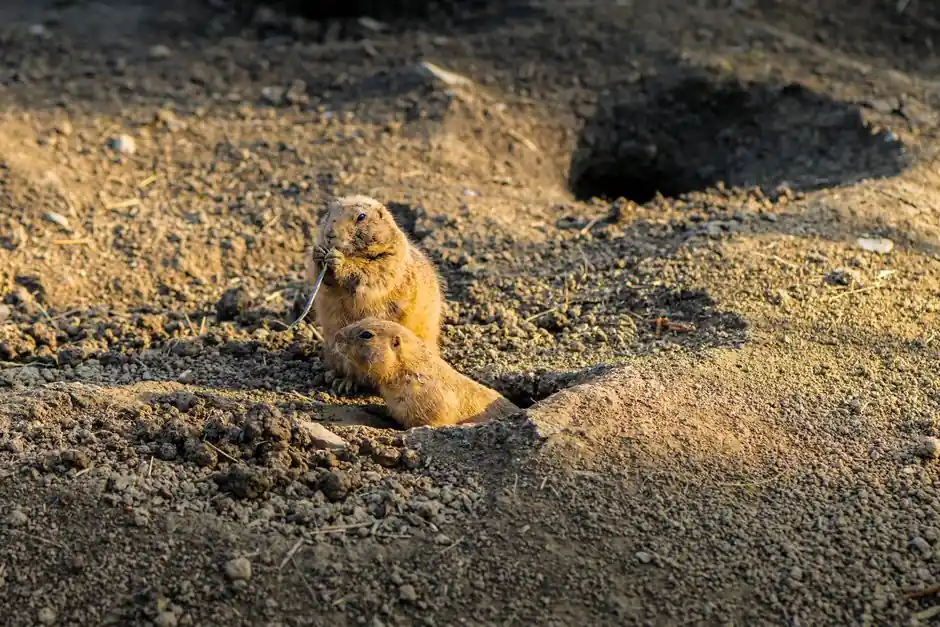
Rodent Trapping in Arizona is the licensed removal of rats and mice using snap traps, live catch traps, and bait stations placed where rodents actually travel. We start with a full inspection using a flashlight and inspection mirror to read droppings, rub marks, and gnawed wires. Then we set traps along wall lines, in attics, and behind appliances, check them every few days, and pull the carcasses before they smell. No guesswork, no poison scattered where pets can reach it.
Arizona homes get hit hard because our climate pushes rodents inside twice a year, once when the desert cools and again when the summer heat bakes the roof. Pack rats build nests in yards and garages, roof rats run power lines into attics, and mice squeeze through gaps the width of a pencil. If you have heard scratching noises at night or found rodent droppings in the attic, you are not imagining it. We handle rodent trapping for attic infestations, kitchens, and commercial buildings across the state.
Every trapping job starts with a full inspection and ends with a written activity log. Here is what is covered in a standard residential job, and what gets quoted separately if your home needs it.
Attic, garage, kitchen, exterior perimeter, and roof line checked with a flashlight, inspection mirror, and thermal imaging camera. We map droppings, gnawed wires, and entry points. You get a written report the same day.
Snap traps, live catch traps, and bait stations placed along actual travel routes. We return every 48 to 72 hours for the first two weeks, pull carcasses, reset traps, and log activity counts at each visit.
Copper mesh, steel wool, hardware cloth, and exclusion sealant applied to every gap we find. Most homes have 6 to 12 usable entry points. Sealing work typically takes 3 to 6 hours depending on home size.
Droppings bagged and removed, surfaces treated with disinfectant, and enzyme cleaner applied to framing and subfloor. This is what removes rodent urine odor instead of masking it with air freshener.
Every visit produces a log showing trap counts, locations checked, and materials used. You keep the log. It is useful for insurance claims if rodents chewed wiring or damaged insulation.
If rodents chew back through a sealed point we installed, we return and fix it at no charge. The warranty covers exclusion work only, not new damage from a fresh infestation in a different part of the home.
A licensed tech walks the exterior, attic, garage, and kitchen with a flashlight, inspection mirror, and thermal imaging camera. We map droppings, rub marks, gnawed wires, and entry points. Expect 45 to 75 minutes on an average home. You get a written findings report the same day.
We set snap traps, live catch traps, and rodent bait stations along travel routes, not randomly. Attic runs get traps every 8 to 10 feet. Kitchen and garage placements go inside tamper-resistant stations so kids and pets cannot reach them. Setup takes 60 to 90 minutes.
We return every 48 to 72 hours for the first two weeks. Each visit we pull carcasses, reset traps, and log activity. If counts are not dropping, we move traps and re-inspect. You get a text before every arrival, and we do not leave until the traps are clean.
Once activity drops, we seal. Copper mesh and steel wool go into gaps, hardware cloth covers vents and soffits, and exclusion sealant closes cracks. Roof tile gaps and utility penetrations get closed with the same materials. Most homes take 3 to 6 hours of sealing work.
We bag droppings, disinfect surfaces, and run enzyme cleaner on contaminated framing. Insulation damage gets documented and replaced if needed. A final walkthrough confirms zero new activity, and you get a 12-month warranty on the exclusion work.

A licensed tech walks the exterior, attic, garage, and kitchen with a flashlight, inspection mirror, and thermal imaging camera. We map droppings, rub marks, gnawed wires, and entry points. Expect 45 to 75 minutes on an average home. You get a written findings report the same day.
The workhorse for indoor trapping. Placed along wall lines and in attics where rodents run. Fast, clean kills when set correctly.
Used when relocation is allowed or when customers prefer live capture. Checked every 48 hours so animals are not held longer than necessary.
Reserved for specific commercial situations where snap traps cannot be used. Never placed as a default in residential homes.
Tamper-resistant stations holding rodenticide bait blocks. Used in exterior placements where kids and pets cannot reach them.
Finds rodent body heat inside walls and attics without tearing anything open. Cuts inspection time and pinpoints nesting areas.
Documents chewed wires and hidden damage inside wall cavities. The photos go into your written report for insurance claims.

Homeowner heard scratching above the master bedroom for three weeks. Inspection found roof rat droppings across 400 square feet of attic, two chewed electrical runs, and three entry points near the roof tiles.
After: Traps cleared the infestation in 9 days. We sealed all three entry points with copper mesh and exclusion sealant, replaced 200 square feet of contaminated insulation, and treated the framing with enzyme cleaner. No activity at the 60-day follow-up.
Book this service →
Pack rats built a nest under a workbench and chewed the wiring harness on a parked truck. Droppings covered the garage floor, and the urine odor had soaked into the drywall.
After: We cleared the nest, trapped two pack rats in 4 days, and sealed the garage entry points with hardware cloth and copper mesh. The drywall got treated with disinfectant and enzyme cleaner. No new chewing damage at the 90-day check.
Book this service →
Twelve-unit apartment building had mice in two kitchens. Droppings found in cabinets and behind the stove. Tenants had complained for two weeks before management called.
After: We trapped both units in 5 days, sealed 8 entry points with steel wool and caulking, and disinfected all surfaces. Written logs were provided for each visit. No new complaints in the following 6 months.
Book this service →Rodents cause more damage than most homeowners realize. Here are the calls we get most often and how we handle each one.
Ask a pro →We inspect the attic with a thermal imaging camera to locate nesting areas, set snap traps along travel routes, and check them every 48 to 72 hours. Most attic jobs clear in 7 to 10 days. Then we seal the entry points so it does not repeat.
We bag droppings, disinfect surfaces, and run enzyme cleaner on contaminated areas. Heavily soiled insulation gets removed and replaced. This is part of every trapping job, not an add-on we spring on you later.
We document chewed wires with a borescope camera before we start, so you have photos for insurance. Then we trap the rodents, seal the garage and attic entry points, and treat the area. The documentation is what makes the claim go through.
We clear the nest, trap the animal, and treat the area with disinfectant. Then we seal the yard-level entry points with hardware cloth and copper mesh. Pack rat nests in yards are one of our most common calls in Tonto Basin and Palo Verde.
$180 - $1,400 depending on scope
Typical 2026 pricing for rodent trapping in Arizona runs $180 to $450 for most residential jobs. Attic-only trapping sits at the low end. Whole-home trapping with exclusion work runs $600 to $1,400. Commercial and multi-unit properties are quoted per square foot. You get a flat price before we set traps, and monitoring visits are included. No hourly billing, no surprise trip charges. If you are comparing rodent capture services in Arizona, ask whether monitoring visits and exclusion work are included. With us, they are.
You are paying for trapping, monitoring visits, exclusion work, cleanup, and a 12-month warranty on the sealing. Cheap one-visit trapping jobs leave rodents in the walls and the problem comes back in a month. We price the whole job so it is done once.
A 1,200-square-foot ranch home takes fewer traps and less sealing time than a 3,500-square-foot two-story. Attic access matters too. Homes with no attic ladder or crawlspace access add 30 to 60 minutes to the inspection.
Get a quote ↗A single mouse in the kitchen is a 3-to-5-day job. A heavy roof rat infestation across an entire attic with multiple litters can run 2 to 3 weeks of monitoring visits. Trap count and visit frequency scale with severity.
Get a quote ↗Most homes have 6 to 12 usable entry points. Homes with 15 or more, common in older construction, add sealing labor and materials. Copper mesh, hardware cloth, and exclusion sealant are priced by the linear foot.
Get a quote ↗Basic gap sealing is included in most jobs. Roof tile repair, soffit replacement, and vent screen installation are quoted separately because they involve different materials and sometimes a roofer.
Get a quote ↗“Heard scratching above the bedroom for two weeks and figured it was the AC. Turned out to be roof rats in the attic. The tech found three entry points near the roof tiles, set traps, and came back every couple of days. Ten days later, silence. They sealed everything and showed me photos of the gaps before and after.”
Marcus T.Homeowner, Surprise
✓ Verified“We manage a 12-unit complex near downtown Phoenix and had mice in two buildings. AridShield handled both buildings at once, trapped and sealed, and gave us written logs for every visit. Tenants stopped complaining within a week. The documentation alone made them worth hiring over the last company.”
Danielle R.Property Manager, Phoenix
✓ Verified“Pack rats got into my garage and chewed the wiring on my truck. The team cleared the nest, trapped the rats, and sealed the garage gaps with hardware cloth. They also treated the area with enzyme cleaner because the smell was rough. Two months later, no new activity and no new damage.”
Raymond B.Homeowner, Munds Park
✓ VerifiedMost residential jobs run $180 to $450 in 2026, depending on home size and infestation severity. Attic-only jobs sit at the low end. Whole-home trapping with exclusion work runs $600 to $1,400. Commercial and multi-unit properties are quoted per square foot. You get a flat price before we set traps, and monitoring visits are included in that number.
Peanut butter, bacon, and dried fruit outperform cheese in Arizona homes, especially for pack rats and roof rats. For mice, a cotton ball tied to the trigger works because they grab it for nesting material. We rotate baits between visits because rodents get bait-shy fast. In bait stations we use rodenticide bait blocks from Bell Laboratories and JT Eaton.
Yes. Snap traps kill instantly when placed correctly, and live catch traps let us relocate animals where regulations allow. We check traps every 48 to 72 hours so nothing sits longer than it should. Glue boards are used only in specific commercial situations, never as a default. Humane rodent trapping Arizona-wide means fast, clean, and checked on schedule.
Active infestations usually take 5 to 10 days of trap checks to clear. Light activity can resolve in 3 to 4 days. Heavy attic infestations with pack rat nests sometimes run 2 to 3 weeks. Exclusion work adds 3 to 6 hours on top. We give you a realistic timeline after the inspection, not a guess.
We run rodent capture Arizona-wide, from the Navajo Nation to the desert metro and the high country. Our trucks cover scheduled routes through every region of the state, so most addresses get a same-week slot. Here are a few of the communities we serve regularly.
Navajo Nation capital area. Older construction with wider entry gaps means exclusion work is a bigger share of every trapping job here.
↗ 02 Village of Oak CreekSedona-area homes near red rock terrain. Pack rats nest in adjacent brush and chew irrigation lines and vehicle wiring in garages.
↗ 03 Tonto BasinRural properties with outbuildings and sheds. Pack rat nests in yards and under sheds are the most common call we get in this area.
↗ 04 SurpriseNewer stucco and tile-roof homes. Roof rats run power lines into attics, and pack rats nest in adjacent desert lots and chew garage wiring.
↗ 05 SolomonSmall Graham County community near Safford. Older homes with utility penetrations that need copper mesh and exclusion sealant.
↗ 06 Second MesaHopi community on the mesa. We schedule route visits here and handle trapping plus exclusion work in older construction.
↗ 07 Saint MichaelsNavajo Nation community near Window Rock. Homes with wider foundation and utility gaps get full exclusion treatment alongside trapping.
↗ 08 Rio VerdeDesert community northeast of Scottsdale. Pack rats nest in adjacent desert lots and chew vehicle wiring in garages. Common call area.
↗ 09 PostonColorado River area near Parker. Hot summers push roof rats and pack rats indoors from June through September.
↗ 10 PhoenixOur highest-volume metro. Block-wall construction and flat roofs create utility penetrations that roof rats use to enter attics.
↗ 11 Palo VerdeRural Maricopa County area. Outbuildings and sheds attract pack rats. We clear nests, trap, and seal yard-level entry points.
↗ 12 Munds ParkHigh-country cabins south of Flagstaff. Pack rat activity spikes in November when overnight temperatures drop below freezing.
↗ 13 MaricopaFast-growing Pinal County city. Newer homes with tile roofs and stucco walls. Roof rat calls pick up in fall and winter.
↗ 14 LeuppNavajo Nation community along I-40. Route visits scheduled weekly. Older construction means exclusion work is a priority.
↗ 15 Joseph CityNavajo County community along I-40. Cold winters drive pack rats into garages and under sheds. Chewing damage to vehicle wiring is common.
↗Scratching in the attic does not stop on its own. Call our licensed team and we will inspect, trap, and seal your home before the problem spreads. Same-day slots available across most of Arizona.
Book an Inspection (855) 692-0614 →Call (855) 692-0614 or email info@aridshieldrodentcontrol.com and we will get a licensed tech scheduled. We answer the phone 24/7 for emergency rodent calls and book standard inspections Monday through Friday. Most Arizona metro calls get a same-day or next-day visit.