Full Perimeter Walkthrough
We check rooflines, soffits, utility penetrations, foundation vents, garage door corners and landscape within 30 feet of the structure. Rub marks, droppings, runways and nests all get photographed and logged by location.
A Rodent Inspection in Arizona is the fastest way to learn whether scratching noises, attic droppings or chewed wires mean an active infestation or a one-time visitor. We inspect attics, crawlspaces, garages and rooflines, then hand you a written map of every entry point and damage zone. If you have heard something moving at night, book the inspection before the damage compounds.
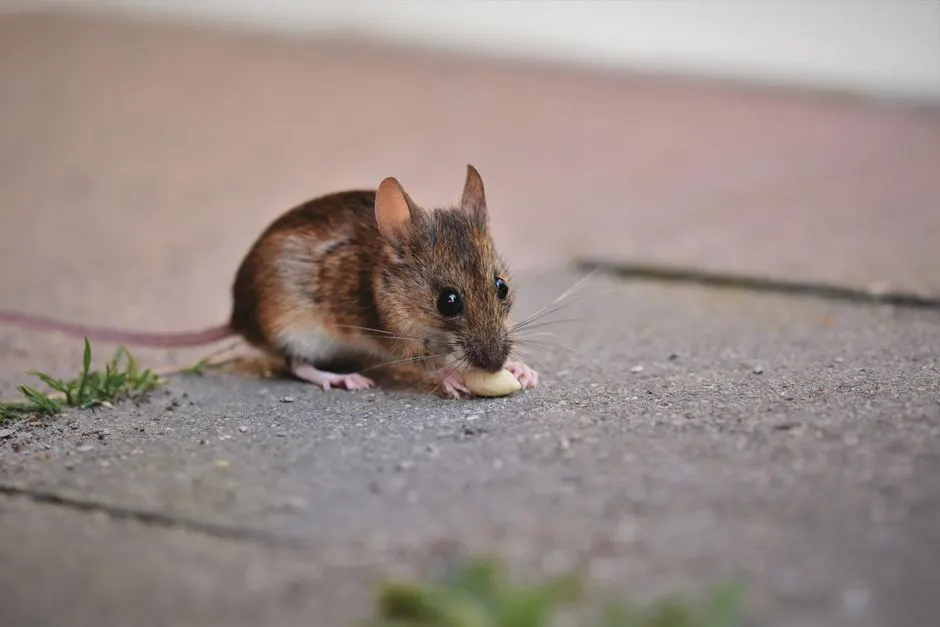
A Rodent Inspection in Arizona is a top-to-bottom property evaluation that identifies which rodent species is present, where it is entering, and how far the contamination has spread. We start at the roof and work down: attic insulation, ridge vents, roof-to-wall transitions, HVAC chases, crawlspace piers, garage door seals and foundation penetrations. We document rodent droppings in attic spaces, gnawed electrical wires, rodent urine odor and pack rat nests in yards. Every finding gets photographed and mapped so you can see exactly what we see.
Arizona homes face rodent pressure year-round, but the pattern shifts with the season. Roof rats and pack rats push indoors when desert temperatures swing, and mice slip through gaps as small as a quarter inch. In older neighborhoods with mature citrus and palm trees, roof rat damage to roof tiles is common. That is why a professional rodent inspection Arizona homeowners trust should include both the structure and the landscape within 30 feet of it. If you want to know how much does a rodent inspection cost in Arizona before you book, we quote it upfront over the phone.
Every inspection includes the full walkthrough, species identification, photo documentation and a written report with a prioritized scope. Removal, exclusion and attic decontamination are quoted separately so you can decide what to do now and what to schedule later.
We check rooflines, soffits, utility penetrations, foundation vents, garage door corners and landscape within 30 feet of the structure. Rub marks, droppings, runways and nests all get photographed and logged by location.
Insulation, ductwork, wiring runs and vapor barriers are checked with a borescope camera and thermal imaging camera. We document rodent droppings in attic spaces, insulation damage and any gnawed electrical wires we find.
Roof rat, Norway rat, pack rat or mouse, each one needs a different trap and exclusion strategy. We identify the species from droppings, rub marks, nesting material and damage patterns so the follow-up plan actually targets the right animal.
Every gap larger than a quarter inch gets measured, photographed and ranked by priority. Most Arizona homes have three to eight usable entry points. Ranking them lets you seal the highest-traffic openings first if you are budgeting the work in stages.
You get a digital report the same day with species ID, entry-point map, damage summary and recommended scope. It is written so a homeowner, a property manager or an insurance adjuster can all read it without translation.
If the inspection finds an active problem, we quote Rodent Removal, Rodent Exclusion or Attic Rodent Cleanup & Decontamination before we leave. You approve the scope and price first, and the inspection fee credits toward exclusion work booked within 30 days.
We ask what you are hearing, seeing or smelling, and when it started. Scratching noises at night usually point to roof rats in the attic; daytime rustling often means mice. This five-minute call lets us bring the right traps, exclusion mesh and inspection tools on the first trip instead of scheduling a second.
A technician walks the full perimeter with a flashlight and inspection mirror, checking rooflines, soffits, utility penetrations, garage door corners and foundation vents. We look for rub marks, droppings, runways and pack rat nests in yards. This step takes 20 to 35 minutes on a typical single-story home.
We enter the attic with a borescope camera and thermal imaging camera to check insulation, ductwork and wiring runs without tearing anything apart. Thermal imaging shows rodent body heat behind insulation batts. Crawlspace piers and vapor barriers get the same treatment. Expect 30 to 50 minutes depending on attic size and access.
Kitchen cabinets, pantry corners, appliance gaps and garage storage get checked for contaminated food in kitchen areas and droppings along baseboards. We use a flashlight and mirror rather than pulling everything apart, so your home stays livable during the visit. This usually runs 15 to 25 minutes.
Before we leave, we walk you through the findings and hand over a written report with photos, species ID and a prioritized entry-point list. You get a clear scope for Rodent Exclusion, Rodent Trapping or Attic Rodent Cleanup & Decontamination if needed. No pressure, no same-day signing required.
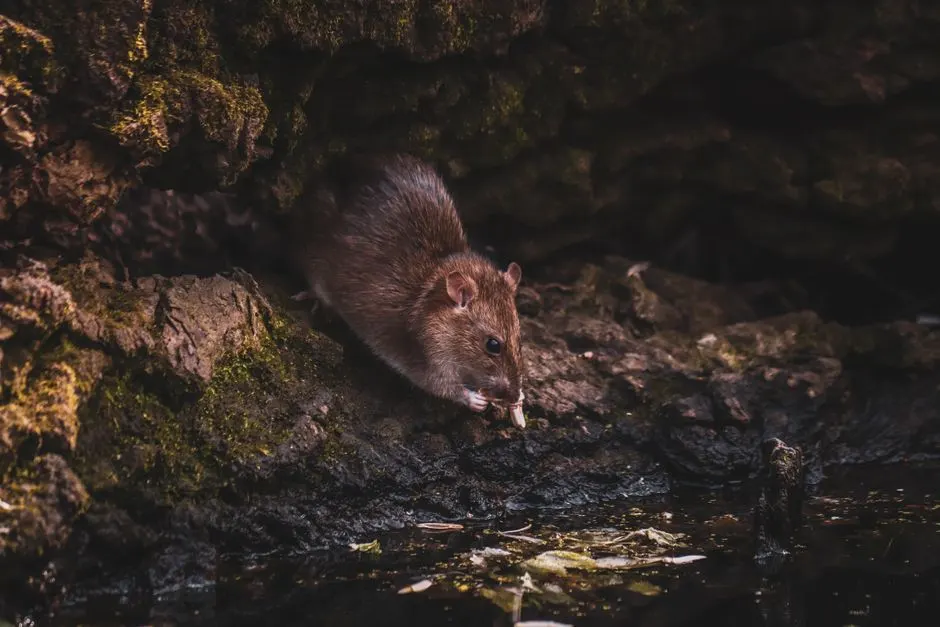
We ask what you are hearing, seeing or smelling, and when it started. Scratching noises at night usually point to roof rats in the attic; daytime rustling often means mice. This five-minute call lets us bring the right traps, exclusion mesh and inspection tools on the first trip instead of scheduling a second.
Detects rodent body heat behind insulation batts and inside wall voids without cutting into finished surfaces. It is the fastest way to confirm an active population in an attic.
Slides into wall cavities, duct chases and crawlspace piers to photograph damage and droppings in spaces a technician cannot physically reach. Images go straight into your report.
Used on rooflines, soffit returns and foundation vents to spot rub marks, gnawing and entry gaps. Simple tools, but they catch the small openings cameras miss.
Packed into gaps around pipes, conduits and utility penetrations. Rodents cannot chew through copper mesh the way they chew foam or plastic, so it holds up over time.
Screens foundation vents, attic vents and dryer exhaust openings. We cut and fasten it to fit, so ventilation stays open while rodent access closes.
Tamper-resistant stations from Bell Laboratories and Liphatech hold rodenticide bait blocks securely when trapping alone will not finish the job. Placement follows the runways mapped during inspection.

The homeowner heard scratching noises at night for three weeks and found droppings near the attic access panel. Insulation showed heavy traffic lanes and two chewed electrical wires above the hallway.
After: We mapped four entry points along the fascia and ridge line, trapped the roof rats out over eight days, and sealed every gap with copper mesh and exclusion sealant. The chewed wiring was flagged for the electrician and repaired.
Book this service →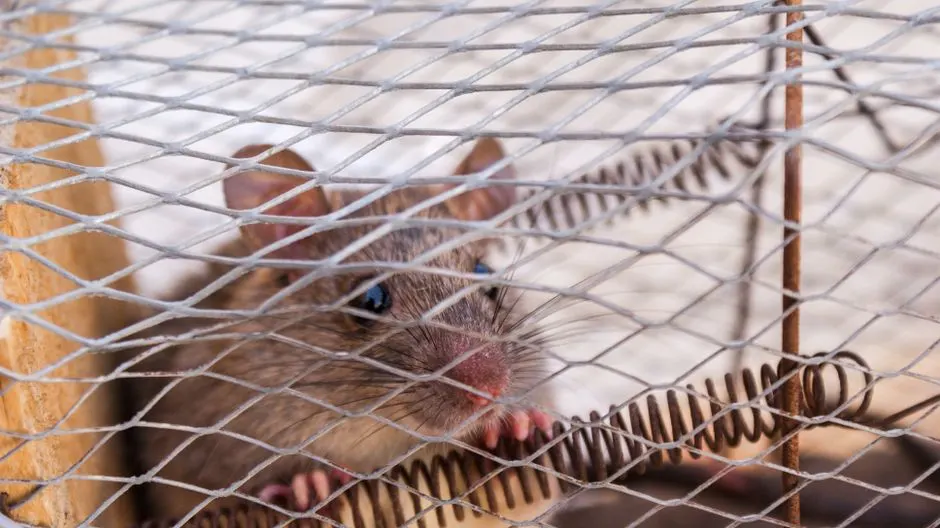
Pack rat nests had built up under a workbench and inside a stored vehicle's engine compartment. The garage smelled strongly of rodent urine odor and droppings were spread across two shelving units.
After: We removed the nests, trapped the pack rats out over six days, and treated surfaces with disinfectant and enzyme cleaner. The garage door corner gap and two wall penetrations were sealed with hardware cloth and foam sealant.
Book this service →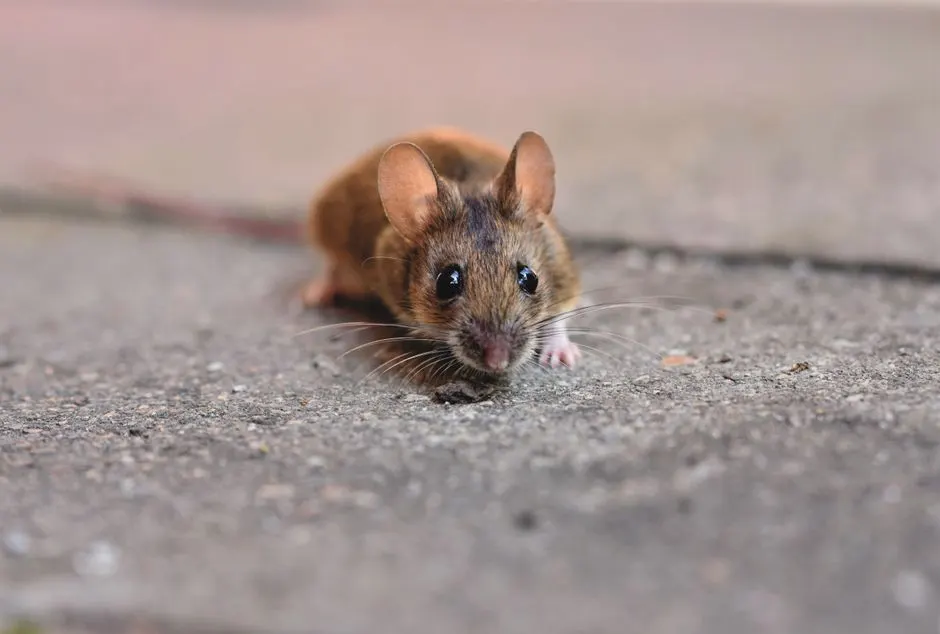
The family found contaminated food in kitchen areas and droppings along the pantry baseboard. Inspection turned up seven entry points, including the HVAC line penetration and both garage door corners.
After: We trapped the mice out in five days, sealed all seven gaps with steel wool and exclusion sealant, and screened the foundation vents with hardware cloth. Follow-up inspection at 30 days found no new activity.
Book this service →Most calls start with a noise, a smell or a chewed wire. The inspection is what turns that vague worry into a specific, fixable list. Here are the problems we run into most across Arizona homes.
Ask a pro →We enter the attic with a thermal imaging camera to locate the animals and their runways, then map every access point along the roofline and fascia. You get a species ID and a removal plus exclusion scope the same day.
We measure the affected square footage, photograph the contamination and recommend either spot treatment with disinfectant and enzyme cleaner or full Attic Rodent Cleanup & Decontamination with insulation replacement.
Our inspection checks garage corners, engine compartments and wall penetrations for rub marks and droppings. We then seal the garage entry points and set bait stations or traps on the runways we find.
We inspect cabinet voids, appliance gaps and pantry corners, pull the species ID, and quote targeted trapping plus sanitation. Enzyme cleaner and disinfectant get applied to the trail surfaces after removal.
$150 - $350 for most residential inspections; $400+ for multi-structure or difficult-access properties
Typical 2026 pricing for a residential rodent inspection in Arizona runs $150 to $350, with most single-family homes landing near $200. The fee covers the full walkthrough, species ID, photo documentation and written report. If you book Rodent Exclusion within 30 days, we credit the inspection fee toward the sealing work, which effectively makes the inspection free when you move forward. Multi-structure properties, steep roofs and long travel distances to outlying towns sit at the higher end of the range.
The inspection is the cheapest part of rodent work. Finding entry points before you buy traps, bait or replacement insulation is what keeps the total cost down. The written report also lets you compare exclusion bids on equal terms instead of guessing.
Homes with a standard hallway scuttle and a clean crawlspace take less time than properties with no attic access, low-clearance crawlspaces or multiple attic zones. Difficult access adds 30 to 60 minutes to the visit.
Get a quote ↗A detached garage, guest house, workshop or barn counts as a separate structure and gets its own perimeter sweep. Each additional structure typically adds $50 to $90 to the inspection fee.
Get a quote ↗Metro Phoenix and Tucson addresses are standard. Outlying towns in Cochise, Navajo and Apache counties may carry a modest trip charge, which we quote upfront before scheduling so there are no surprises.
Get a quote ↗Walkable low-slope roofs inspect quickly. Steep tile or metal roofs require more careful roofline work and sometimes a second technician for safety, which affects the total time on site.
Get a quote ↗“We heard scratching above the bedroom for two weeks and kept putting it off. The technician found roof rat runways along the fascia and three entry points we never would have spotted. He showed us photos on his tablet and left a written report the same day. Sealing was done that Friday and the noise stopped.”
Marisol R.Homeowner, Sierra Vista
✓ Verified“I manage six rentals and needed a rodent inspection company that would document everything for my owners. The report format is exactly what I need: species, entry points, photos, prioritized scope. I have used them on four properties now and the exclusion work has held through two summers without a callback.”
Dale W.Property Manager, San Tan Valley
✓ Verified“I called about a smell in the garage and expected a sales pitch for a full treatment. Instead they inspected, found pack rat nests under the shed and one gap at the garage door corner, and quoted only what was needed. No upsell, no pressure. The enzyme cleaner took the odor out in one visit.”
Priya N.Homeowner, Green Valley
✓ VerifiedMost residential inspections run $150 to $350 in 2026, depending on attic size, crawlspace access and travel distance. Homes with multiple structures or steep roofs land at the higher end. If you book inspection and exclusion together, we credit part of the inspection fee toward the exclusion work. Call (855) 692-0614 for an exact quote.
It includes an exterior perimeter sweep, attic and crawlspace evaluation, interior check of kitchen and garage zones, species identification, and a written report with photos and a prioritized entry-point list. We use a borescope camera and thermal imaging camera so we can see behind insulation without tearing it out. Typical visits take 90 minutes to two hours.
Once a year is the baseline for most Arizona homes, ideally in late fall before rodents push indoors for the cooler months. Book twice a year if you back up to desert wash corridors, keep citrus or palm trees, or have had a prior infestation. Homes in older neighborhoods with mature landscaping tend to need the fall and spring visits.
We do not run free inspections because a real inspection takes 90 minutes and includes a written report, but we do credit the inspection fee toward exclusion work booked within 30 days. That effectively makes the inspection free when you move forward with sealing. Ask about the credit when you call to schedule.
Our Arizona rodent assessment coverage runs statewide, from the high desert around Young and Wickenburg to the border communities near Tumacacori and Sierra Vista. Each region has its own rodent pressure pattern, and we adjust the inspection focus accordingly. Below are a few of the communities we serve regularly.
Rural properties around Young deal with pack rats and mice in outbuildings and cabins. We inspect main homes, shops and stored equipment in one visit and map every entry point we find.
↗ 02 WickenburgDesert-edge homes in Wickenburg see pack rat nests in yards and under sheds. Our inspection covers the structure plus landscape within 30 feet, since that is where the pressure starts.
↗ 03 TumacacoriAdobe and older block construction near Tumacacori hides entry gaps behind stucco and weep screeds. We inspect rooflines, wall transitions and crawlspaces to find what the exterior hides.
↗ 04 TollesonTolleson sits in the low desert with year-round rodent activity. Attic heat accelerates insulation damage once droppings accumulate, so we measure contamination square footage during the visit.
↗ 05 Sun City WestRetirement communities in Sun City West often have mature landscaping and citrus that pull roof rats in. We check roof-to-wall transitions and garage door corners, the two most common entry zones.
↗ 06 Sierra VistaSierra Vista sits at elevation where cooler nights push mice indoors earlier than in the low desert. Fall inspections here catch entry points before the first freeze and before sealing gets harder.
↗ 07 San Tan ValleyNewer subdivisions in San Tan Valley back up to undeveloped desert, which keeps rodent pressure steady. HVAC line penetrations and garage door corners are the entry points we find most often.
↗ 08 SaffordSafford properties mix in-town lots with nearby agricultural land, so both roof rats and field mice show up. We inspect outbuildings and main structures together to get the full picture.
↗ 09 Red ValleyRemote homes in Red Valley need an inspection that covers every structure on the property. We check the main house, storage buildings and any vehicle bays for pack rat nests and chewed wiring.
↗ 10 PinonHigh-country conditions around Pinon mean cold-weather mouse pressure from October through March. We focus on foundation penetrations, attic access panels and any gap larger than a quarter inch.
↗ 11 PearceRural Pearce properties often have multiple outbuildings and stored equipment. Our inspection documents each structure separately so you can prioritize sealing work by where activity is heaviest.
↗ 12 NutriosoNutrioso cabins sit empty for stretches, which lets mice move in unchecked. We inspect for contaminated food in kitchen areas and insulation damage from long-term rodent occupancy.
↗ 13 MorenciMorenci homes deal with both roof rats and pack rats depending on elevation and landscaping. We inspect rooflines and ground-level nests in the same visit so nothing gets missed.
↗ 14 MammothMammoth sits in a desert corridor that funnels rodents toward town. Perimeter sweeps here focus on wash-facing walls, foundation vents and any gap where block meets wood framing.
↗ 15 Kykotsmovi VillageHomes in Kykotsmovi Village need inspection coverage that accounts for open desert surroundings. We check rooflines, crawlspaces and outbuildings, then rank entry points by traffic and accessibility.
↗Scratching in the attic does not get quieter on its own. Call (855) 692-0614 and we will schedule a licensed technician, deliver a written report, and give you a clear scope for sealing or removal. Same-day slots available across most of Arizona.
Schedule Inspection (855) 692-0614 →Call (855) 692-0614 or email info@aridshieldrodentcontrol.com and we will get a licensed tech scheduled. We answer the phone 24/7 for emergency rodent calls and book standard inspections Monday through Friday. Most Arizona metro calls get a same-day or next-day visit.